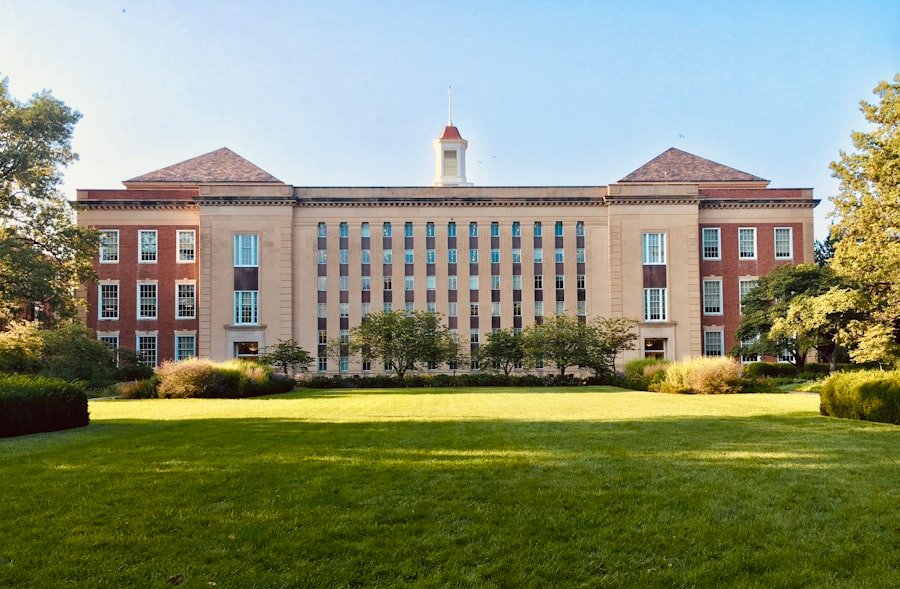
Shoolini University of Biotechnology and Management Sciences is a private university located in Solan, Himachal Pradesh. Established in 2009, it has developed into a research-focused private university with prominent biotechnology, pharmaceutical sciences, engineering, management and interdisciplinary programmes. The institution serves students seeking structured academic pathways supported by faculty mentoring, research activity, practical exposure and student services. Its current profile includes approximately 150 programmes and a campus spanning 25 Acres. Shoolini has built its identity around research output, patents and project-based learning. Its schools emphasise laboratory access, industry mentors, entrepreneurship and hands-on work in biotechnology, AI, robotics, pharmacy and management, while the Solan hill setting creates a compact residential academic environment. This combination makes the university relevant to students comparing academic depth, career preparation, campus resources and long-term higher-education opportunities.
Overview Shoolini University of Biotechnology and Management Sciences combines classroom instruction with subject-specific practical learning rather than relying on lecture delivery alone. The academic model varies by discipline: science and technology programmes use laboratories, computing, workshops and project work; management and commerce courses use case discussions, presentations and applied assignments; humanities and social-science departments emphasise reading, writing, seminars, fieldwork and research methodology. Professional programmes add internships, clinical, legal, studio, field or industry exposure where relevant. Curriculum structures are periodically revised to respond to regulatory requirements, the National Education Policy and changing professional expectations. Research and innovation are important parts of the institution's academic profile. Faculty members supervise dissertations and doctoral work, participate in sponsored projects, publish research and organise conferences, workshops and specialist lectures. Students can engage with departmental laboratories, research centres, innovation initiatives and interdisciplinary projects. Where incubation or entrepreneurship facilities are available, learners can explore prototypes, startup ideas and problem-solving projects. Industry exposure is strengthened through internships, live assignments, industrial or institutional visits, guest lectures and collaboration with employers or professional organisations. The teaching community includes experienced professors, researchers and subject specialists. In professional schools, students may also interact with visiting practitioners, corporate experts, lawyers, clinicians, designers, technologists or public-sector professionals depending on the programme. The student community typically includes learners from Himachal Pradesh and other Indian states; institutions with national admissions or international collaborations may also attract a more geographically diverse cohort. Learning is supported by central and departmental libraries, digital databases, laboratories, computer facilities, Wi-Fi and technology-enabled classrooms. Student clubs, academic associations, competitions, cultural activities and extension programmes provide additional opportunities to develop communication, teamwork and leadership. Overall, Shoolini University of Biotechnology and Management Sciences is more accurately described as an institution with a distinct academic and regional role than through promotional labels such as “best university.” Its value depends on the specific programme, faculty strength, research environment, professional exposure and facilities relevant to the student's chosen field.
Admission Criteria Admission to Shoolini University of Biotechnology and Management Sciences is programme specific. Undergraduate applicants generally need to complete Class 12 or an equivalent examination with the subjects and minimum marks prescribed for their chosen course. Postgraduate applicants normally require a recognised bachelor's degree in the relevant or permitted discipline, while doctoral programmes follow separate research eligibility rules. The entrance examinations listed in the current institutional profile are JEE Main, CUET, CAT. Some departments may additionally use qualifying-examination merit, interviews, aptitude tests or other university-notified selection methods. Applicants should complete the official application process within the notified admission schedule, enter academic and category details accurately and upload the required certificates. Where counselling or centralised seat allocation applies, candidates must register with the relevant admission authority and complete preference filling, allotment and reporting steps. Original marksheets, identity documents, category certificates, migration or transfer records and entrance-exam documents are checked during verification. The current annual fee range used in this profile is Min INR 85K to INR 4.5L / year; actual payable fees vary by programme, category, semester and additional charges. Eligible students may apply for university scholarships, government scholarships, freeships, merit support or category-based financial assistance according to current rules.
Placements & Career Support Career preparation at Shoolini University of Biotechnology and Management Sciences is supported through placement, training, internship and professional-development activity appropriate to its programme mix. Placement or career cells typically coordinate employer communication, internship information, recruitment schedules and student preparation. Training may cover aptitude, communication, soft skills, group discussion, resume writing, interview technique, technical preparation and professional etiquette. Departments also use alumni interaction, industry talks, project reviews and workshops to help students understand career pathways. Internships are especially important because they allow students to apply classroom concepts in professional settings. Depending on the discipline, students may work with technology companies, manufacturers, banks, law firms, hospitals, research laboratories, public bodies, NGOs, design practices, agribusiness companies or consulting organisations. Live projects and practical assignments can also strengthen portfolios and interview readiness. The latest publicly reported placement indicators used for this profile are a highest package of ₹18 LPA, an average package of ₹8 LPA and a placement rate of 100%. These figures should be read in context: universities with many schools often report outcomes by department, programme duration or principal professional institute rather than one identical statistic for every student. Applicants should therefore compare the latest programme-specific placement report, recruiter mix, job roles, internship access and median or average salary before making a decision. Corporate relations and alumni networks can broaden recruitment access, while students in research-heavy disciplines may choose doctoral study, fellowships, teaching, government services or professional examinations instead