Why Study In Sri Lanka?
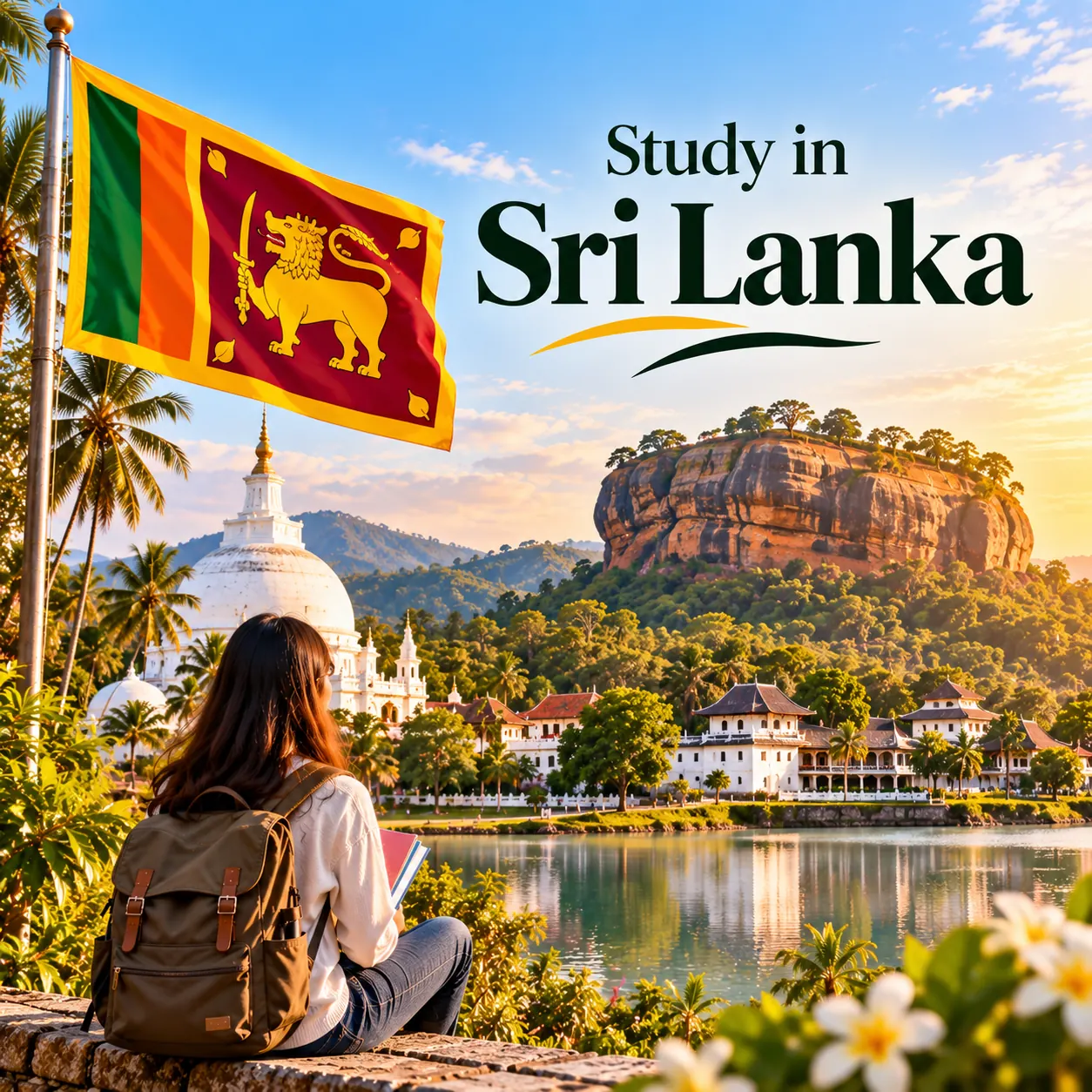
Sri Lanka
Why Study in Sri Lanka?
For Indian students, Sri Lanka can be worth considering when its academic strengths, programme structure and career environment match a clear personal goal. The destination is known for recognised public universities, established medicine and engineering education, proximity to India, selected English-medium programmes and a diverse South Asian academic environment.
Academic & University Choice
Recognised options include University of Colombo; University of Peradeniya; University of Moratuwa; University of Sri Jayewardenepura; University of Kelaniya; University of Ruhuna; University of Jaffna. Instead of selecting a university only by brand or ranking, compare the exact curriculum, faculty expertise, accreditation/recognition where relevant, practical learning, location, tuition and graduate outcomes.
Destination-Fit Courses
Common areas to explore include Medicine & Health Sciences; Engineering; Computing; Business & Management; Science; Agriculture; Hospitality & Tourism; Social Sciences. Course demand differs by institution, so students should check modules and specialisations rather than assuming programmes with similar names are identical.
International Exposure
Studying abroad can develop independence, cross-cultural communication and international networks. The value is strongest when the destination offers a learning environment or industry ecosystem that directly supports the student's chosen field.
Career Planning
Employment outcomes depend on skills, internships, language ability, local labour demand and legal work rights. Part-time work should be treated as supplementary support rather than the main method of funding an overseas degree.
Making the Shortlist
A good destination decision balances academic fit, total cost, scholarships, visa feasibility and career plans. Kollege Next can help students map their profile and budget to a practical university shortlist and application strategy.
Requirements In Sri Lanka
Admission Requirements
Undergraduate Eligibility
Indian applicants normally need a recognised Class 12 qualification and the subject prerequisites required by the chosen university. Competitive programmes may expect stronger marks, mathematics/science preparation, an entrance test, interview or portfolio.
Postgraduate Eligibility
A recognised bachelor's degree is normally required. Universities may assess grades/GPA, subject background, work experience, prerequisite modules and programme fit. MBA and specialist courses may have additional experience or test requirements.
English Language Requirements
For English-taught programmes, universities may accept IELTS, TOEFL, PTE or other approved evidence. Duolingo is accepted by some institutions but not universally. Required scores vary by university, programme and level, so students should use the exact course requirement rather than one country-wide score.
Common Documents
Passport, academic transcripts/certificates, English-test results, SOP/personal statement, CV, LORs and programme-specific documents such as portfolios may be required. Financial evidence and immigration documents are usually handled separately.
Visa Planning
After receiving an eligible offer, students must meet the current immigration requirements for Sri Lanka, including any financial, health, insurance, identity or supporting-document rules. Visa rules can change and should be verified from the relevant government authority before applying.
Kollege Next Support
Students who need help evaluating eligibility, shortlisting universities or preparing applications and documentation can use Kollege Next counselling and application support.
Cost of Living In Sri Lanka
Cost of Living
Colombo is generally more expensive than many other university locations. Budget separately for accommodation, food, transport, utilities, study materials, healthcare and personal spending.
Accommodation
University housing can simplify the first year, while shared private housing may reduce or increase costs depending on city and location. Check deposits and utility inclusions.
Everyday Expenses
Budget for groceries/meals, local transport, mobile and internet, books, healthcare/insurance and personal expenses. Students who cook and share accommodation often spend differently from those using private housing and frequent dining out.
Planning Tip
Do not rely on a single national average. Build a city-specific budget and keep an emergency reserve. Any immigration proof-of-funds requirement should be checked separately because it may not equal actual living expenses.
Cost of Studying In Sri Lanka
Cost of Studying
International tuition differs significantly by university and discipline. Medicine and professional programmes can cost substantially more than general academic programmes. Students should compare the official international-student fee for the exact course.
What Changes the Fee?
Bachelor's, master's, MBA and specialised professional programmes can have very different fee structures. Public/private status, laboratory requirements, clinical training, programme length and location can all affect total cost.
Budget Beyond Tuition
Include application charges, enrolment/student-service fees, laboratory or course materials, health insurance where required, visa costs, deposits and travel. Compare the full programme cost rather than only the first-year fee.
INR Planning
Indian students can convert the latest official fee into INR for budgeting, but exchange rates move continuously. Keep a currency buffer and verify the payable amount directly with the institution before remitting funds.
Kollege Next can help compare shortlisted universities by tuition, scholarship potential and total affordability.
Work Opportunities & Post-Study Job & Visa in Sri Lanka
Work Opportunities & Post-Study Job/Visa
⏰ Work During Studies
A student residence/visa should not be treated as a general work permit. International students need to confirm the conditions attached to their immigration status before taking paid employment. Graduates wishing to remain for work need the appropriate employment and residence authorisation.
Employment Environment
Potential opportunities depend on the student's field, city, language skills, internships, professional registration where relevant and the local labour market. Technology, engineering, business, healthcare and other sectors may offer opportunities in some destinations, but demand is not uniform.
Graduate Preparation
Students can improve employability through internships, projects, networking, career services and destination-relevant skills. A part-time job during study is not a guarantee of a graduate role.
Understand the Visa Stages
Student work permission, a graduate/post-study permission and a longer-term employer-sponsored or immigration route are legally different stages. Eligibility for one does not automatically guarantee the next.
Career ROI
Before choosing a programme, compare total education cost with realistic career pathways rather than relying on headline salary claims or PR promises.
Kollege Next can help students compare destinations and programmes from an academic, budget and career-planning perspective. Final visa and immigration decisions remain with the relevant government authorities.
Scholarships In Sri Lanka
Scholarships
Scholarship options can include Sri Lankan government opportunities, bilateral schemes and university-specific awards. Availability for international applicants varies and should be checked against current official notices.
Common Scholarship Types
- Government or bilateral scholarships
- University merit awards
- International-student tuition scholarships
- Need-aware or need-based aid where offered
- Research scholarships, assistantships or stipends for eligible postgraduate students
What Usually Matters
Academic performance, programme choice, nationality, leadership, research potential, work experience and application quality may affect eligibility. Some awards require a separate application while others consider students automatically.
⏳ Apply Early
Scholarship deadlines can be earlier than course deadlines. Students should verify the official award page, current benefit and conditions for the relevant academic cycle and should not build a financial plan around unconfirmed funding.
Kollege Next can support scholarship discovery and application planning alongside university shortlisting.
Intakes In Sri Lanka
Major Intakes
Public universities, postgraduate institutes and private/international providers use different calendars. Many programmes have annual admissions; some postgraduate and private programmes offer additional starts.
When to Start
For competitive programmes, start research around 9-12 months before the preferred start date. This allows time for English testing, academic documents, SOP/LOR preparation, scholarship applications, finances and visa processing.
Important
Not every university or course participates in every intake. Programme availability, scholarship deadlines and application closing dates can differ even within the same institution.
Kollege Next can help students create an intake-wise shortlist and application timeline so important deadlines are easier to track.