A Student's Roadmap to Higher Education: From School to a Successful Career
Higher education is one of the most important milestones in a student's life. It opens the door to new knowledge, career opportunities, personal growth, and lifelong learning. However, the journey from school to college isn't always straightforward. With countless courses, entrance exams, colleges, and career options available, it's easy to feel uncertain about the next step.
The good news is that with the right planning and a clear roadmap, students can make informed decisions instead of rushed ones. Whether you're completing Class 12, planning postgraduate studies, or considering studying abroad, understanding the overall process can help you stay focused and prepared.
Here's a step-by-step roadmap to help you navigate your higher education journey.
Step 1: Understand Your Interests and Strengths
Every successful academic journey begins with self-awareness.
Before looking at colleges or courses, spend time understanding your interests, strengths, and long-term aspirations. Think about the subjects you enjoy, the activities you're naturally good at, and the type of work environment you see yourself in.
Choosing a career path that matches your abilities often leads to greater satisfaction and better performance in the future.
Step 2: Explore Career Opportunities
Instead of choosing a course simply because it's popular, explore the careers it can lead to.
Research different industries, understand emerging job trends, and learn about the skills employers are looking for. Fields such as Artificial Intelligence, Healthcare, Finance, Digital Marketing, Design, Law, Data Science, and Renewable Energy continue to offer promising opportunities.
Understanding career scope first makes course selection much easier.
Step 3: Choose the Right Course
Your course plays a significant role in shaping your future career.
While comparing options, consider:
- Curriculum
- Specialisations
- Practical learning opportunities
- Internship exposure
- Industry relevance
- Future career prospects
Select a programme that aligns with both your interests and professional goals rather than following trends.
Step 4: Build a Smart College Shortlist
Once you've decided on a course, the next step is identifying colleges that best fit your profile.
Compare institutions based on factors such as:
- Academic reputation
- Faculty
- Placement record
- Accreditation
- Infrastructure
- Industry collaborations
- Student support services
- Campus environment
- Fees and affordability
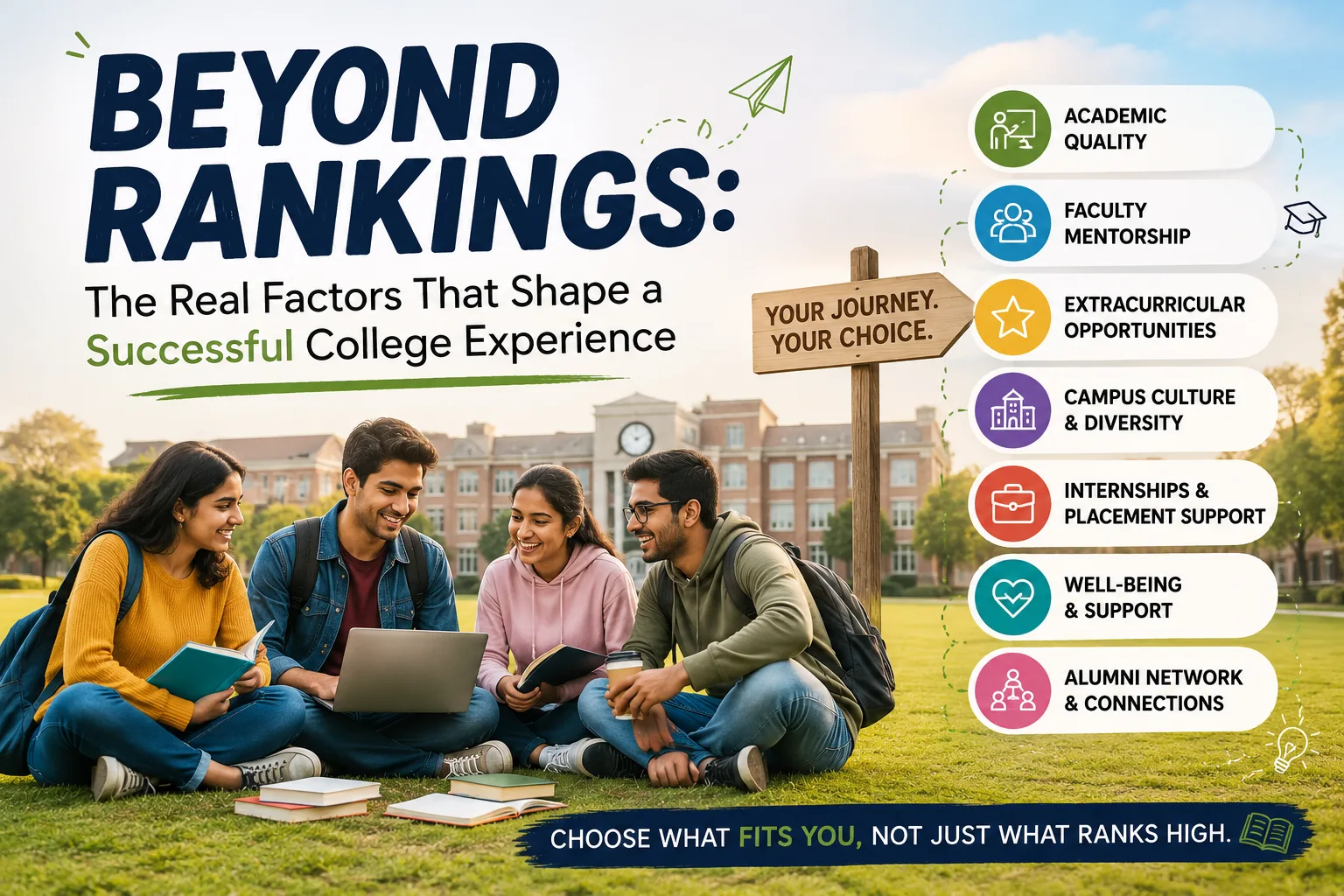
Remember, the right college is one that matches your goals—not necessarily the one with the biggest name.
Step 5: Understand Admission Requirements
Every institution follows its own admission process.
Some colleges admit students based on Class 12 marks, while others require entrance examinations, interviews, counselling rounds, or portfolio submissions.
Prepare a checklist that includes:
- Eligibility criteria
- Entrance exams
- Required documents
- Application deadlines
- Counselling schedules
Staying organised helps avoid unnecessary stress during admission season.
Step 6: Plan Your Finances
Financial planning is often overlooked until admission offers arrive.
Before applying, estimate the overall cost of education, including tuition fees, accommodation, transportation, books, and other living expenses.
Also explore scholarships, fee concessions, and education loan options if needed. Planning your finances early makes the admission process much smoother.
Step 7: Develop Essential Skills
Higher education is not just about academics.
Students who invest time in developing practical skills often perform better during internships and campus placements.
Focus on building:
- Communication skills
- Critical thinking
- Digital literacy
- Teamwork
- Problem-solving
- Time management
- Leadership
These skills remain valuable regardless of your chosen career path.
Step 8: Gain Practical Exposure
Learning inside the classroom is important, but real-world experience adds significant value.
Participate in:
- Internships
- Workshops
- Online certifications
- Research projects
- Competitions
- Volunteering
- Student clubs
Practical exposure helps you apply classroom knowledge while strengthening your resume.
Step 9: Build Your Professional Profile
Your professional profile begins much earlier than your first job.
Maintain an updated resume, build a strong LinkedIn profile, participate in extracurricular activities, and document your achievements throughout college.
These efforts can make a significant difference during internships, placements, and higher education applications.
Step 10: Stay Open to Learning
The world of education and employment continues to evolve.
Technologies change, industries transform, and new careers emerge every year. Students who remain curious and committed to continuous learning are often better prepared for future opportunities.
Treat higher education as the beginning of your learning journey rather than its destination.
Common Mistakes Students Should Avoid
Many students unintentionally make decisions that affect their academic journey later.
Some common mistakes include:
- Choosing a course without understanding career opportunities
- Applying only based on rankings
- Ignoring accreditation and approvals
- Following friends instead of personal interests
- Waiting until the last moment to prepare applications
- Not researching placement opportunities
- Underestimating financial planning
Avoiding these mistakes can save both time and money while helping you make better decisions.
Success Comes from Planning, Not Pressure
Higher education isn't a race to secure admission as quickly as possible. It's a carefully planned journey that should align with your aspirations, strengths, and future goals.
Take time to research, compare your options, seek guidance when required, and make decisions based on reliable information. The effort you invest today will help create a stronger foundation for your academic and professional future.