College is often presented as one of the most exciting phases of life. You imagine a new campus, greater freedom, interesting classes, new friends, events, clubs and perhaps finally studying something you actually chose.
And yes, college can offer all of that.
But there is another side that students usually discover only after joining.
Nobody reminds you to complete an assignment. Friendships change. Managing ₹500 suddenly becomes a serious financial exercise. A three-hour gap between lectures isn't always as exciting as it sounds. And somewhere between semesters, internships and placement conversations, you realise that college isn't simply about earning a degree.
It is also where you begin learning how to manage your own life.
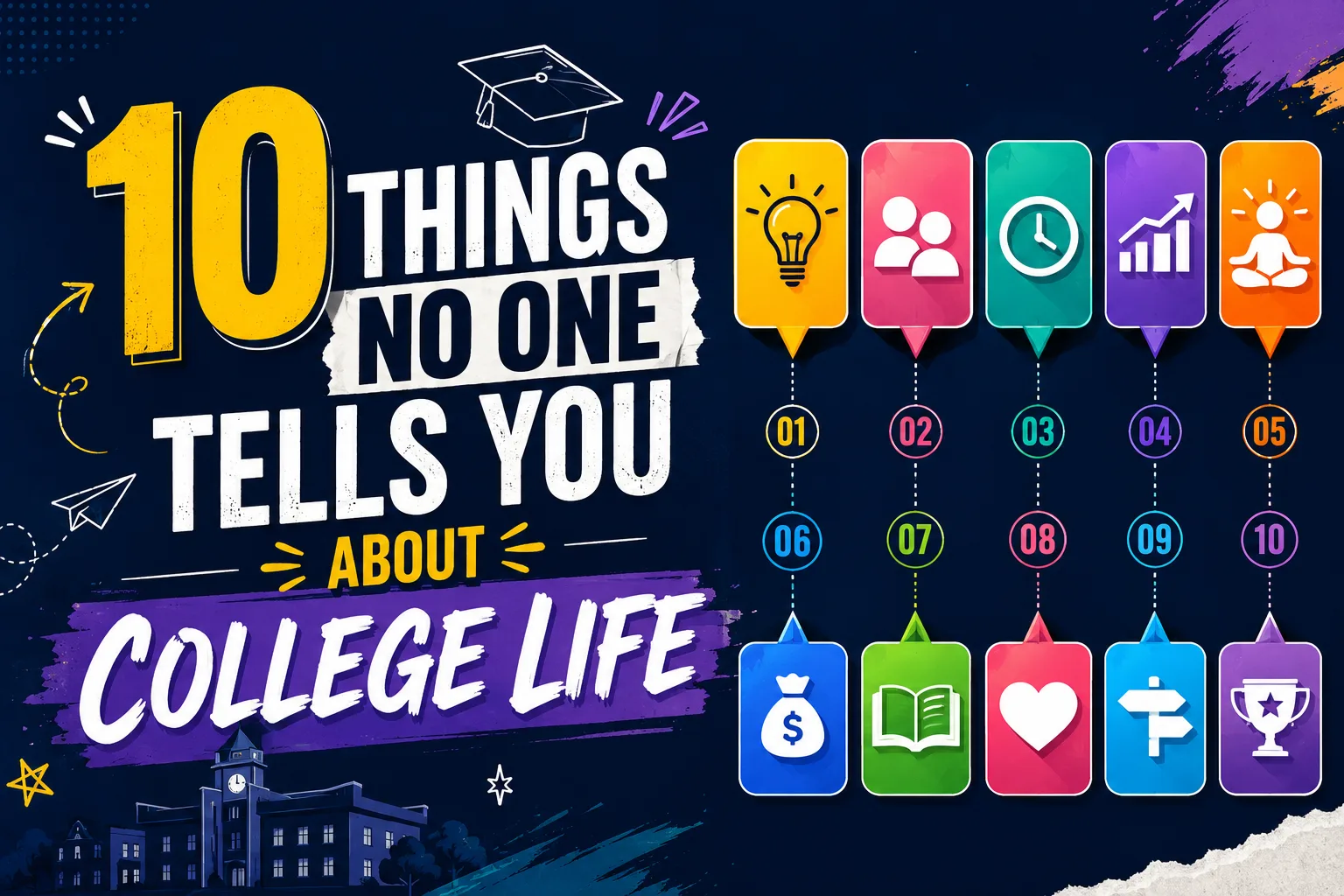
Here are ten realities worth knowing before—or even during—your college journey.
1. Freedom Comes With Responsibility
One of the biggest differences between school and college is independence.
You may have greater control over your schedule, attendance, friendships and daily routine. Initially, this freedom feels incredible.
But nobody tells you that freedom can also become your biggest distraction.
Skipping one lecture can turn into skipping several. One delayed assignment can become a pile of unfinished work. Staying awake until 3 AM seems harmless until you have an 8 AM class.
College rarely gives you someone constantly checking whether you're doing what you're supposed to do.
You gradually realise that discipline matters even more when nobody is watching.
2. Making Friends Can Take Time
Movies make college friendships look instant.
You arrive on campus, meet a group during orientation and somehow remain best friends until graduation.
Reality can be different.
Some students find their circle immediately. Others take weeks or even months. You may initially become close to people simply because you share a classroom or hostel, only to realise later that you have very different personalities.
That's normal.
Don't force friendships because you feel everyone else has already found their group. Genuine connections usually develop through classes, clubs, projects, sports, hostel life and repeated interactions.
A few dependable friends are often more valuable than knowing everyone on campus.
3. Your First Semester May Feel Overwhelming
New city. New people. New professors. Different teaching methods. Different expectations.
Even students who were extremely confident in school can feel uncertain during their first few months.
You may wonder whether you chose the right college or course. You might compare yourself with classmates who appear more confident, talented or prepared.
Give yourself time.
College requires adjustment. Once you understand your schedule, surroundings and academic expectations, things usually become more manageable.
You don't need to have everything figured out during your first month.
4. Your Marks Still Matter—but They Aren't Everything
Students often hear two extreme opinions:
“Only your CGPA matters.”
or
“Marks don't matter at all. Only skills matter.”
Neither is completely accurate.
Academic performance can matter for scholarships, internships, placements, higher education and eligibility criteria. At the same time, a strong CGPA alone may not compensate for weak communication, limited practical experience or a lack of relevant skills.
The stronger approach is balance.
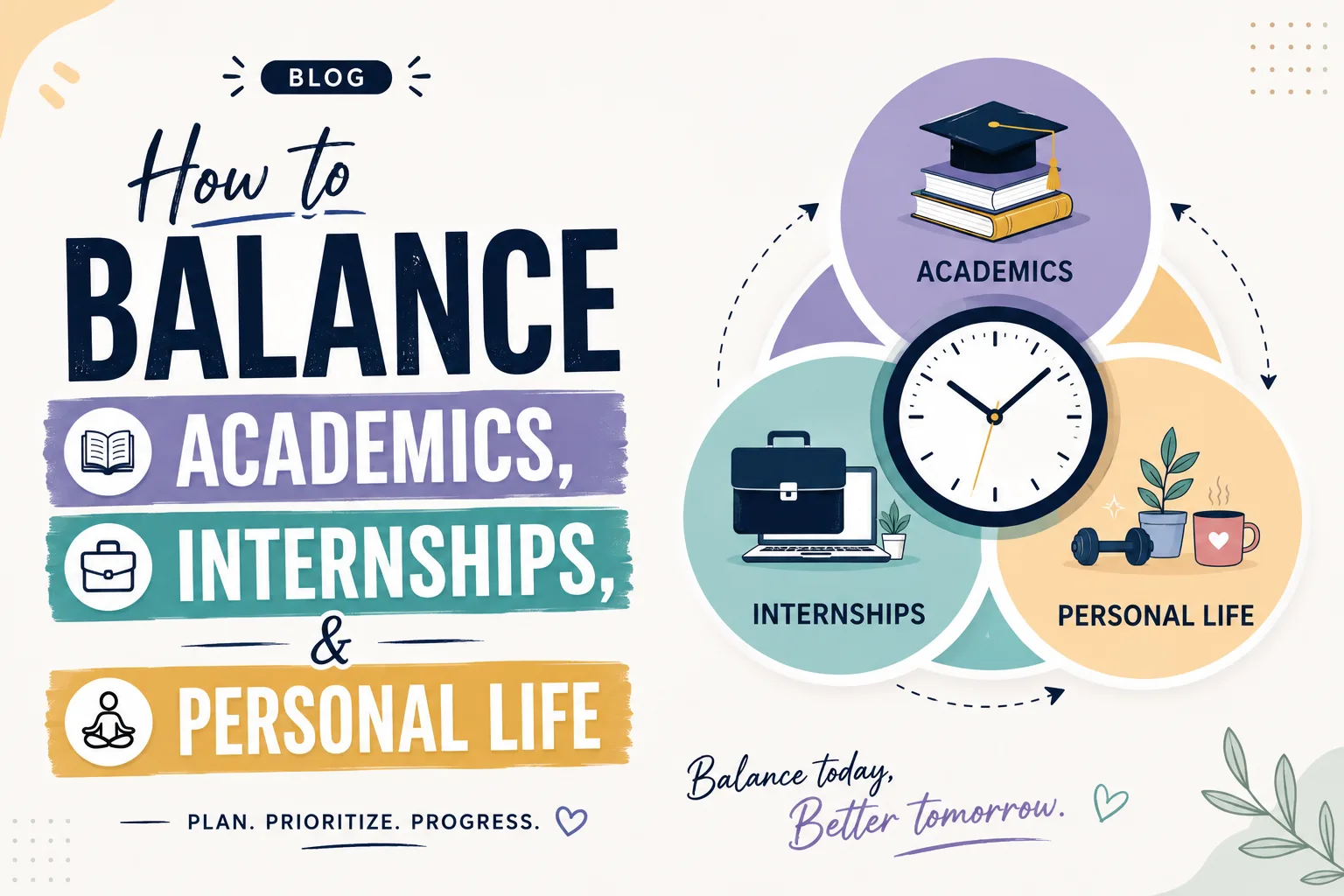
Maintain respectable academics while developing skills through projects, internships, competitions, clubs and other practical experiences.
Your degree should show what you studied. Your profile should show what you can actually do.
5. You'll Learn as Much Outside the Classroom as Inside It
Some of the most valuable lessons in college may never appear in your syllabus.
Organising an event teaches planning.
Working on a group project teaches teamwork.
Managing a difficult teammate teaches patience.
Giving a presentation teaches communication.
An internship teaches workplace expectations.
Living away from home teaches independence.
Student clubs, competitions, volunteering, sports, internships and campus responsibilities can become important parts of your education.
Don't spend your entire college experience moving only between the classroom, library and examination hall.
6. Managing Money Becomes a Real Skill
College may be the first time many students regularly manage their own expenses.
Suddenly, small purchases start adding up:
Food deliveries.
Coffee.
Transportation.
Subscriptions.
Events.
Shopping.
Weekend plans.
₹100 doesn't seem like much until it disappears several times a day.
Learning to create a basic monthly budget can prevent unnecessary financial stress.
Separate essential expenses from discretionary spending, track where your money goes and keep something aside for unexpected costs.
Financial responsibility isn't something you need to learn after receiving your first salary. College is a good place to start.
7. Comparison Can Ruin a Good College Experience
Someone will have better grades.
Someone will get an internship before you.
Someone will become club president.
Someone will already know coding.
Someone will receive a placement offer earlier.
And someone will constantly post highlights of their apparently perfect college life online.
If you measure your progress against everyone around you, you'll always find a reason to feel behind.
Instead, compare yourself with where you were six months ago.
Are your skills improving?
Are you becoming more confident?
Are you learning from your mistakes?
College isn't one race where everyone starts and finishes at the same point.
8. Your Career Preparation Starts Earlier Than You Think
Many students make the mistake of thinking:
“I'll worry about placements in the final year.”
By then, opportunities to build a strong profile may already have been missed.
Career preparation begins much earlier through:
- Internships
- Projects
- Certifications
- Communication skills
- Technical skills
- Student clubs
- Competitions
- Networking
- Portfolio building
You don't need to obsess over placements from your first semester.
But you should gradually explore careers and understand what employers in your preferred field expect.
A little preparation every semester is much easier than trying to build an entire resume three months before placements.
9. It's Okay If Your Career Plan Changes
You may enter college believing you know exactly what you want.
Then you take an elective.
Complete an internship.
Join a student club.
Meet someone from another profession.
And suddenly, another career starts looking more interesting.
That doesn't necessarily mean your original decision was wrong.
College exposes you to possibilities you may never have encountered in school. A Computer Science student might become interested in product management. A commerce student may discover analytics. An engineering student may develop an interest in finance or entrepreneurship.
Your career direction can evolve as you learn more about yourself.
The goal isn't to follow the plan you made at 17 forever. It is to make increasingly informed decisions as you gain experience.
10. College Goes Faster Than You Expect
During your first semester, three or four years can feel like a very long time.
Then suddenly you're discussing internships.
Then final-year projects.
Then placements.
Then graduation.
The biggest regret many students have isn't that they didn't attend enough lectures or collect enough certificates. It's that they kept postponing things they genuinely wanted to experience.
Join the club.
Enter the competition.
Attend the workshop.
Talk to that professor.
Apply for the internship even if you aren't completely confident.
Build the project you've been thinking about.
Explore the city.
Spend time with people who matter.
College gives you opportunities that become much harder to recreate once professional life begins.
Bonus Reality: You Don't Need to Have Everything Figured Out
Perhaps this is the most important thing nobody tells you.
You don't need a perfect career plan on your first day of college.
You don't need to know exactly where you'll work at 25.
You don't need to become the most successful student in your batch.
College is partly about discovering those answers.
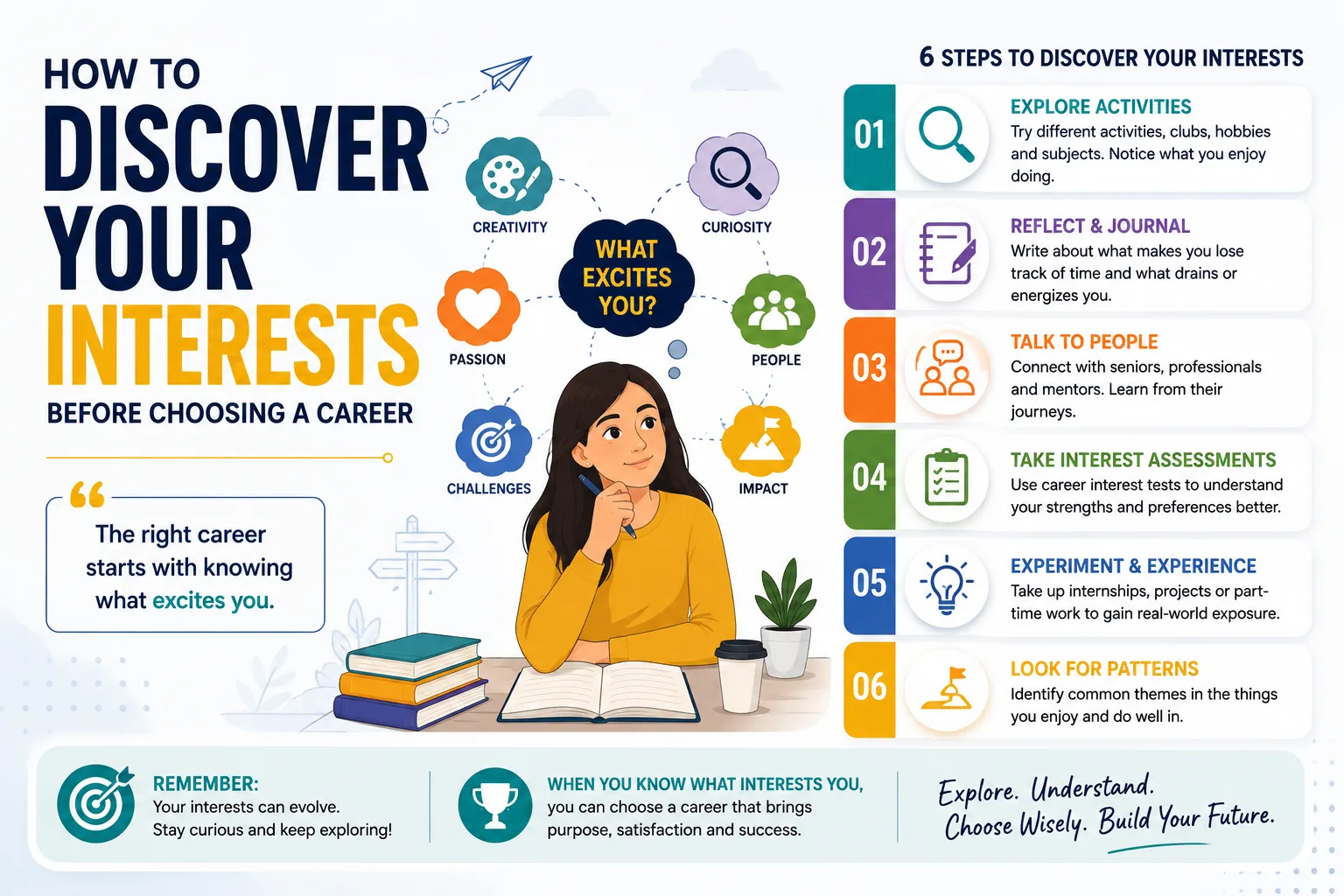
Use these years to understand what interests you, what you're good at, what kind of people you enjoy working with and what sort of future you want to build.
Experiment intelligently.
Make mistakes.
Learn.
Adjust.
That's part of the experience too.
Making College Count
A good college experience isn't defined only by your CGPA, placement package or number of certificates.
It is a combination of learning, relationships, experiences, independence and personal growth.
Take your academics seriously, but don't allow marks to become your entire identity. Build skills, but don't turn every activity into a resume point. Make friends, manage your money, take care of yourself and explore opportunities outside your comfort zone.
Most importantly, don't spend your college years constantly preparing for the next stage of life while forgetting to experience the one you're currently living.
College won't always look like the version you imagined before joining.
In many ways, that's exactly what makes it valuable.