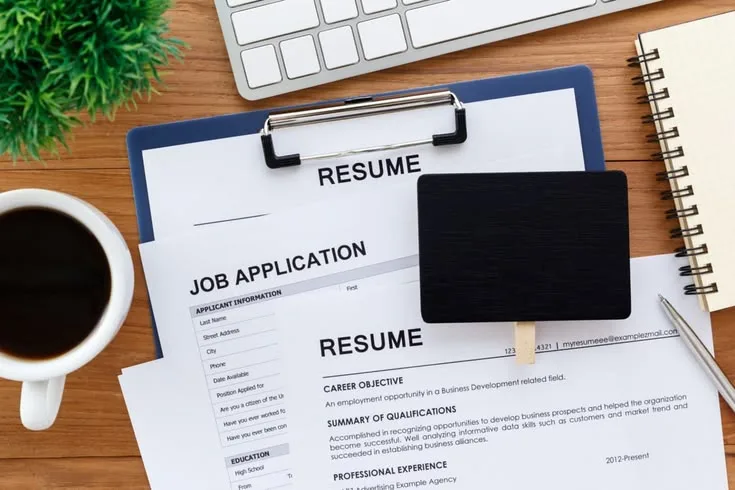
Many students begin thinking about their resume only a few weeks before campus placements or job interviews. By then, they often realise they've missed valuable opportunities to gain practical experience, develop skills, and build a profile that catches a recruiter's attention.
The truth is, a strong resume isn't created overnight—it's built gradually throughout your college journey.
Every internship, project, certification, competition, leadership role, and extracurricular activity contributes to your professional profile. By making smart choices from your first year onward, you can graduate with a resume that demonstrates not just academic achievement, but also practical experience and career readiness.
Here's how you can build a resume that stands out before you even complete your degree.
Why Your Resume Matters
Your resume is often the first interaction a recruiter has with you. Before an interview begins, your resume gives employers an overview of your education, skills, achievements, and experiences.
A well-structured resume helps recruiters quickly understand:
- Your educational background
- Relevant skills
- Practical experience
- Career interests
- Leadership qualities
- Overall potential
While it may only take a recruiter a minute or two to review your resume, that first impression can determine whether you're shortlisted for the next stage.
Focus on Academics, But Don't Depend on Them Alone
Good academic performance reflects discipline and subject knowledge, but employers today expect much more than high grades.
Alongside maintaining consistent academic performance, students should actively develop practical skills and gain experiences that demonstrate their ability to apply what they've learned.
A balanced profile is usually more attractive than excellent grades alone.
Gain Internship Experience
Internships are one of the best ways to strengthen your resume.
They expose you to professional environments, help you understand workplace expectations, and allow you to apply classroom concepts to real-world situations.
Even short internships during semester breaks can help you:
- Develop technical skills
- Understand industry practices
- Improve communication
- Learn teamwork
- Build professional confidence
Don't wait until your final year to begin applying for internships.
Work on Real Projects
Projects help recruiters evaluate how you approach practical challenges.
Depending on your field, you can build:
- Software applications
- Research projects
- Business case studies
- Marketing campaigns
- Design portfolios
- Engineering prototypes
- Financial analysis reports
- Social impact initiatives
Document your work carefully so you can confidently discuss it during interviews.
Earn Relevant Certifications
Online learning has made professional certifications more accessible than ever.
Choose certifications that complement your degree and align with your career goals.
Examples include:
- Digital Marketing
- Data Analytics
- Python Programming
- Microsoft Excel
- Cloud Computing
- Financial Modelling
- Graphic Design
- Cybersecurity
- Artificial Intelligence
Quality matters more than quantity. Select certifications that genuinely improve your skills rather than collecting certificates without practical understanding.
Develop Technical Skills
Every industry values candidates who are comfortable using modern tools and technologies.
Identify the technical skills expected in your chosen career and begin learning them during college.
For example:
- Programming languages for technology roles
- Design software for creative fields
- Financial tools for commerce students
- Research methods for science students
- Legal research platforms for law students
Keeping your technical skills updated makes your resume more competitive.
Improve Your Communication Skills
Strong communication remains one of the most valued employability skills.
Participate in:
- Presentations
- Debates
- Group discussions
- Public speaking events
- College seminars
- Student conferences
These experiences help you communicate ideas clearly and confidently during interviews and professional interactions.
Participate in Extracurricular Activities
Recruiters appreciate candidates who contribute beyond academics.
Activities such as:
- Student clubs
- Sports
- Cultural events
- Technical societies
- Volunteering
- Entrepreneurship cells
- College festivals
demonstrate teamwork, leadership, time management, and organisational abilities.
Balance is important. Participate meaningfully rather than joining numerous activities without genuine involvement.
Take Leadership Opportunities
Leadership experience doesn't necessarily mean becoming the president of a student organisation.
You can demonstrate leadership by:
- Coordinating college events
- Leading academic projects
- Managing student clubs
- Organising workshops
- Mentoring juniors
- Volunteering for community initiatives
These responsibilities show recruiters that you're capable of managing tasks and working with people.
Build a Professional Online Presence
Recruiters increasingly look beyond resumes.
Maintaining a professional online presence can help showcase your skills and achievements.
You can:
- Create a complete LinkedIn profile
- Share certifications and projects
- Connect with alumni and professionals
- Follow industry experts
- Stay updated with career trends
If your field involves creative or technical work, consider building an online portfolio to display your projects.
Learn Through Competitions and Hackathons
Competitions provide practical learning opportunities that many classrooms cannot.
Participating in:
- Hackathons
- Business competitions
- Innovation challenges
- Research conferences
- Coding contests
- Design competitions
helps you solve real-world problems while demonstrating initiative and teamwork.
Even if you don't win, the experience itself strengthens your resume.
Keep Updating Your Resume
One common mistake students make is waiting until placement season to prepare their resume.
Instead, update it regularly.
Whenever you complete:
- A new internship
- A certification
- A project
- A competition
- A workshop
- A leadership role
add it to your resume while the details are still fresh.
Regular updates save time and ensure you don't overlook important achievements.
Common Resume Mistakes to Avoid
A good resume is concise, relevant, and honest.
Avoid these common mistakes:
- Including unnecessary personal details
- Writing lengthy paragraphs
- Listing unrelated skills
- Using outdated resume formats
- Adding false information
- Ignoring grammar and spelling errors
- Submitting the same resume for every job role
Customising your resume based on the position you're applying for often improves your chances of getting shortlisted.
Final Thoughts
Building a strong resume is a journey that begins on your first day of college—not your final semester. Every internship, project, certification, leadership role, and practical learning experience adds value to your profile and prepares you for future opportunities.
Rather than focusing only on academic scores, aim to develop a balanced profile that reflects your knowledge, skills, and willingness to learn. By consistently investing in your personal and professional growth throughout college, you'll graduate with a resume that not only attracts recruiters but also gives you the confidence to begin your career on the right path.