Graduating from college is an important achievement, but securing a rewarding career requires much more than earning a degree. Today's employers are looking for graduates who not only possess academic knowledge but also have the practical skills needed to perform effectively in a professional environment.
As industries continue to evolve through technology, automation, and changing business practices, employability has become a combination of technical expertise, soft skills, adaptability, and continuous learning.
The encouraging news is that most of these skills can be developed while you're still in college. By investing time in your personal and professional growth, you can improve your confidence, stand out during placements, and prepare for long-term career success.
Let's explore the key skills that employers consistently value in fresh graduates.
What Is Employability?
Employability refers to the combination of knowledge, skills, attitudes, and professional qualities that make a person capable of securing and succeeding in a job.
While academic qualifications open opportunities, employability skills determine how effectively you perform in the workplace, collaborate with teams, solve problems, and adapt to new challenges.
Employability isn't limited to getting your first job—it also influences career growth throughout your professional journey.
Communication Skills
Communication remains one of the most important skills employers seek across every industry.
Effective communication includes:
- Speaking confidently
- Writing clearly
- Active listening
- Giving presentations
- Participating in discussions
- Professional email etiquette
Strong communication improves collaboration, customer interactions, and workplace relationships.
Students can strengthen this skill through presentations, debates, group discussions, public speaking events, and regular reading.
Problem-Solving Ability
Every organisation values employees who can identify challenges and develop practical solutions.
Problem-solving involves:
- Logical thinking
- Analytical reasoning
- Decision-making
- Evaluating alternatives
- Learning from mistakes
Rather than memorising information, students should focus on applying concepts to real-world situations through projects, internships, and case studies.
Digital Literacy
Almost every profession today requires basic digital skills.
Graduates should be comfortable using:
- Office productivity software
- Presentation tools
- Spreadsheets
- Collaboration platforms
- Video conferencing tools
- Cloud storage
- Online research tools
Depending on the industry, learning additional software or technical platforms can significantly improve employability.
Technical Skills
Technical expertise varies across different careers, but employers expect graduates to possess the core skills relevant to their profession.
Examples include:
- Programming languages
- Data analysis
- Financial modelling
- Graphic design software
- CAD tools
- Digital marketing platforms
- Laboratory techniques
- Legal research tools
Students should continuously update their technical knowledge as industries evolve.
Adaptability
The workplace is changing faster than ever.
New technologies, evolving business models, and changing customer expectations require professionals who can learn quickly and embrace change.
Adaptable graduates are more likely to succeed because they:
- Learn new skills efficiently
- Accept feedback positively
- Handle change confidently
- Stay open to innovation
A willingness to learn often matters just as much as existing knowledge.
Teamwork and Collaboration
Modern workplaces rely heavily on collaboration.
Whether you're working in healthcare, engineering, management, technology, or education, you'll likely work with people from different backgrounds and departments.
Teamwork involves:
- Respecting different opinions
- Sharing responsibilities
- Resolving conflicts professionally
- Supporting team goals
- Communicating effectively
Participation in college clubs, competitions, sports, and group projects helps students build these skills naturally.
Time Management
Managing multiple responsibilities is an important professional skill.
Students who develop strong time management habits are generally better prepared for workplace expectations.
Effective time management includes:
- Planning daily tasks
- Prioritising responsibilities
- Meeting deadlines
- Avoiding procrastination
- Maintaining work-life balance
Using planners, calendars, or productivity apps can help students organise their academic and personal commitments more effectively.
Leadership Skills
Leadership is not limited to managerial positions.
Recruiters appreciate graduates who show initiative, responsibility, and the ability to guide others.
Leadership can be developed by:
- Organising college events
- Leading academic projects
- Coordinating student clubs
- Mentoring peers
- Volunteering for community initiatives
These experiences demonstrate confidence and accountability.
Emotional Intelligence
Technical skills help you perform tasks, but emotional intelligence helps you work effectively with people.
This includes:
- Self-awareness
- Empathy
- Managing emotions
- Handling workplace stress
- Building positive relationships
- Resolving conflicts respectfully
Professionals with strong emotional intelligence often become effective team members and future leaders.
Critical Thinking
Employers value graduates who can analyse information before making decisions.
Critical thinking involves:
- Asking meaningful questions
- Evaluating evidence
- Identifying assumptions
- Understanding different perspectives
- Making informed decisions
Students can improve this skill by participating in discussions, reading widely, and analysing real-world case studies.
Industry Exposure
Practical experience significantly improves employability.
Students who participate in:
- Internships
- Live projects
- Industrial visits
- Workshops
- Research projects
- Competitions
develop a better understanding of workplace expectations while strengthening their resumes.
Industry exposure also helps students build professional confidence before graduation.
Networking Skills
Professional networking creates opportunities for learning and career growth.
Students can build their networks by:
- Attending seminars
- Participating in industry events
- Connecting with alumni
- Maintaining a professional LinkedIn profile
- Engaging with mentors
Networking isn't just about finding jobs—it's about learning from experienced professionals and staying informed about industry developments.
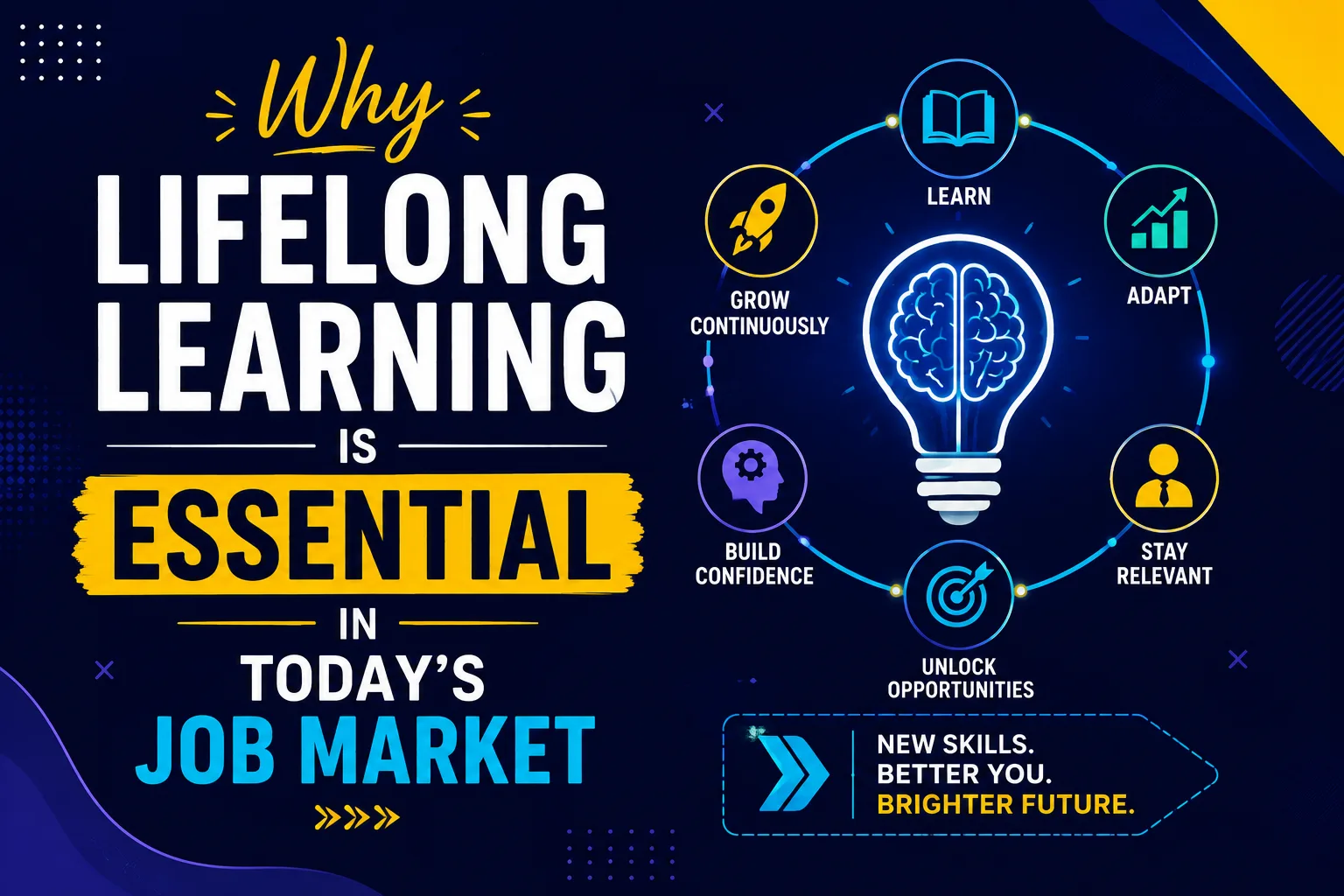
Continuous Learning
Graduation is not the end of education.
Industries evolve constantly, making continuous learning essential for long-term success.
Students should regularly:
- Complete certifications
- Learn new technologies
- Attend workshops
- Read industry publications
- Follow professional communities
- Explore online learning platforms
Employers appreciate candidates who demonstrate curiosity and a commitment to self-improvement.
How Students Can Start Building Employability Today
Developing employability doesn't require waiting until your final year.
Simple steps include:
- Completing internships during semester breaks
- Building practical projects
- Participating in competitions
- Improving communication skills
- Learning industry-relevant software
- Earning professional certifications
- Volunteering for leadership roles
- Networking with professionals
- Staying updated with industry trends
Consistent effort over several years creates a much stronger profile than trying to build everything just before placements.
Common Mistakes That Reduce Employability
Many graduates unintentionally limit their career opportunities by focusing only on academics.
Some common mistakes include:
- Ignoring practical experience
- Not developing communication skills
- Avoiding internships
- Depending only on classroom learning
- Neglecting professional networking
- Using outdated technical skills
- Waiting until placement season to prepare
Recognising these mistakes early gives students enough time to improve before graduation.
Final Thoughts
In today's competitive job market, employability is built through a combination of knowledge, practical experience, and personal development. While academic qualifications remain important, employers increasingly value graduates who can communicate effectively, solve problems, work collaboratively, adapt to change, and continue learning throughout their careers.
The best time to develop these skills is during college. Every internship, project, leadership opportunity, certification, and learning experience contributes to your professional growth. By consistently investing in yourself, you'll not only improve your chances of securing a job after graduation but also build the foundation for a successful and fulfilling career.