Graduating from college is an exciting milestone, but it's also the beginning of a new challenge—finding your first job.
Many students believe that good academic scores alone are enough to secure a great placement. While academics certainly matter, today's recruiters evaluate candidates on much more than their marksheets. Companies are looking for graduates who are ready to contribute, adapt quickly, and grow with the organisation.
So, what exactly makes one candidate stand out from hundreds of applicants?
The answer lies in a combination of technical knowledge, practical experience, soft skills, and the right attitude.
Let's explore the qualities recruiters value the most in fresh graduates.
Strong Communication Skills
No matter which industry you choose, communication is one of the most important skills employers look for.
Recruiters want candidates who can explain their ideas clearly, ask relevant questions, participate in discussions, and communicate professionally with colleagues and clients.
Good communication isn't just about speaking fluent English. It's about expressing your thoughts confidently, listening actively, and presenting information effectively.
Students who work on their communication skills often perform better during interviews and in the workplace.
Practical Knowledge Over Memorisation
Employers understand that fresh graduates are still learning. They don't expect you to know everything.
What they do expect is the ability to apply your knowledge to practical situations.
For example, an engineering student who has built projects or completed internships often leaves a stronger impression than someone who has only scored high marks in examinations.
Similarly, a management student who has participated in live business projects may have an advantage over someone with only theoretical knowledge.
Practical learning demonstrates initiative and genuine interest in your field.
Problem-Solving Ability
Every organisation faces challenges, and recruiters value candidates who can think logically and approach problems with confidence.
During interviews, you may be asked situational questions to understand how you analyse problems and make decisions.
You don't always need the perfect answer. Recruiters are often more interested in your thought process than the final solution.
Being calm, analytical, and willing to learn can leave a positive impression.
Adaptability and Learning Mindset
Technology, industries, and business practices are changing faster than ever.
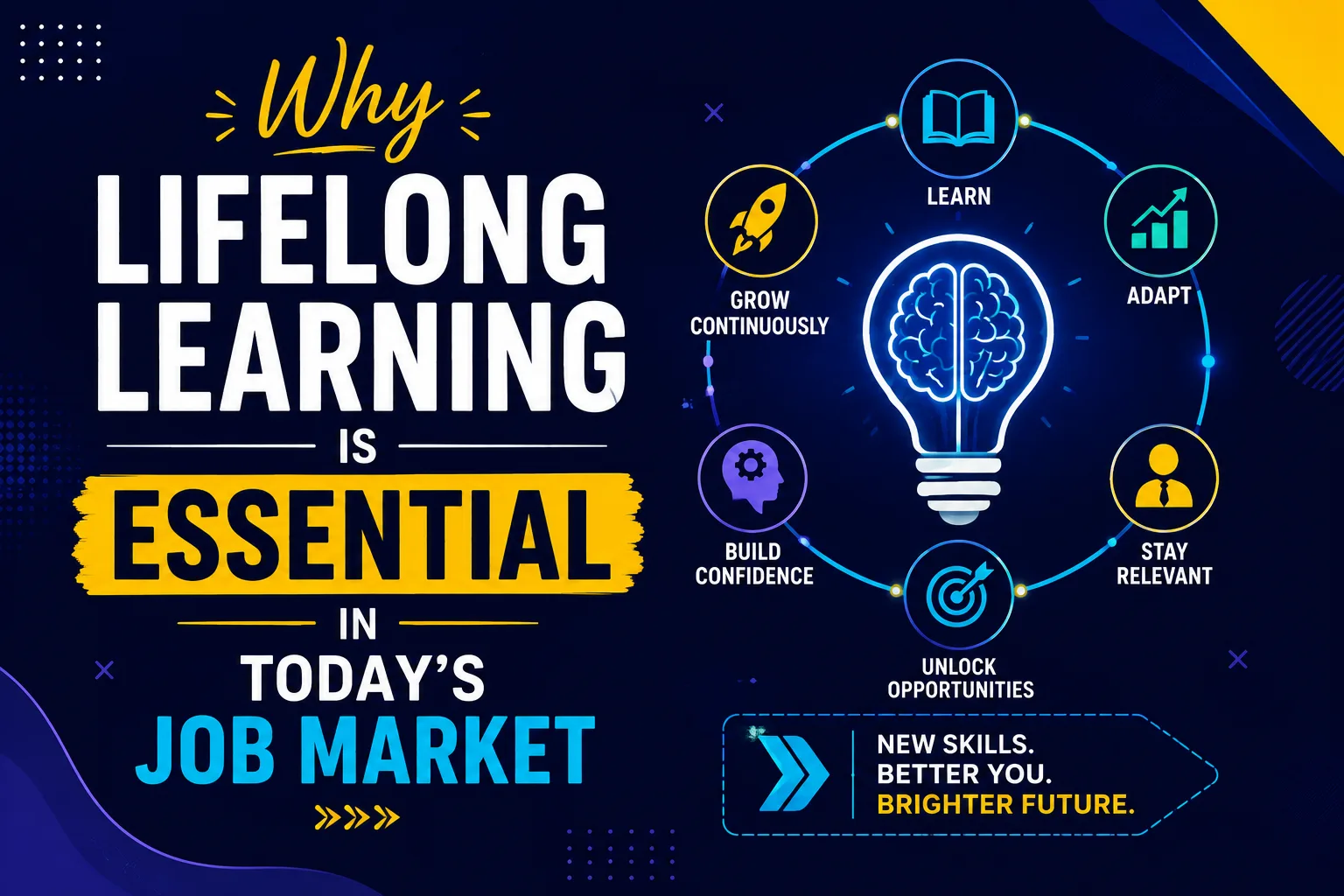
Recruiters know that the skills required today may evolve over the next few years. That's why they value candidates who are curious, adaptable, and open to continuous learning.
Fresh graduates who demonstrate a willingness to upskill, learn new tools, and embrace change are often viewed as long-term assets to an organisation.
Internship and Project Experience
One of the biggest advantages a student can have before graduation is practical exposure.
Internships, live projects, freelancing, research work, and certifications show recruiters that you've gone beyond classroom learning.
Even if your internship wasn't with a large company, the experience of working on real tasks, meeting deadlines, and collaborating with teams adds significant value to your profile.
Practical experience often becomes a key talking point during interviews.
Teamwork and Collaboration
Very few jobs involve working alone.
Whether you're joining a startup or a multinational company, you'll be expected to collaborate with colleagues from different departments and backgrounds.
Recruiters therefore look for candidates who can work well in teams, respect different perspectives, and contribute positively to group projects.
Participation in college clubs, events, competitions, or volunteer activities can help demonstrate these qualities.
Confidence with Humility
Confidence helps you present your strengths, but overconfidence can have the opposite effect.
Recruiters appreciate candidates who can speak about their achievements without exaggeration, admit when they don't know something, and show enthusiasm to learn.
A balanced attitude often creates a stronger impression than trying to appear perfect.
Digital and Technical Skills
Regardless of your field, basic digital skills have become essential.
Employers increasingly expect graduates to be comfortable with technology, online collaboration tools, spreadsheets, presentations, and digital communication platforms.
For specialised roles, additional technical skills, software knowledge, or programming languages may also be required.
Keeping your technical knowledge updated improves your employability significantly.
A Well-Prepared Resume
Your resume is often the first impression you make.
A good resume should clearly highlight:
- Academic achievements
- Internships
- Projects
- Certifications
- Technical skills
- Leadership roles
- Extracurricular activities
Avoid adding unnecessary information or exaggerating your achievements. Recruiters value honesty and clarity.
A Positive Attitude Matters
Technical skills can be taught, but attitude is much harder to change.
Recruiters often prefer candidates who are enthusiastic, responsible, punctual, and willing to learn over those who have stronger technical knowledge but lack professionalism.
Showing genuine interest in the company and role can make a lasting impression.
How Students Can Prepare Before Placements
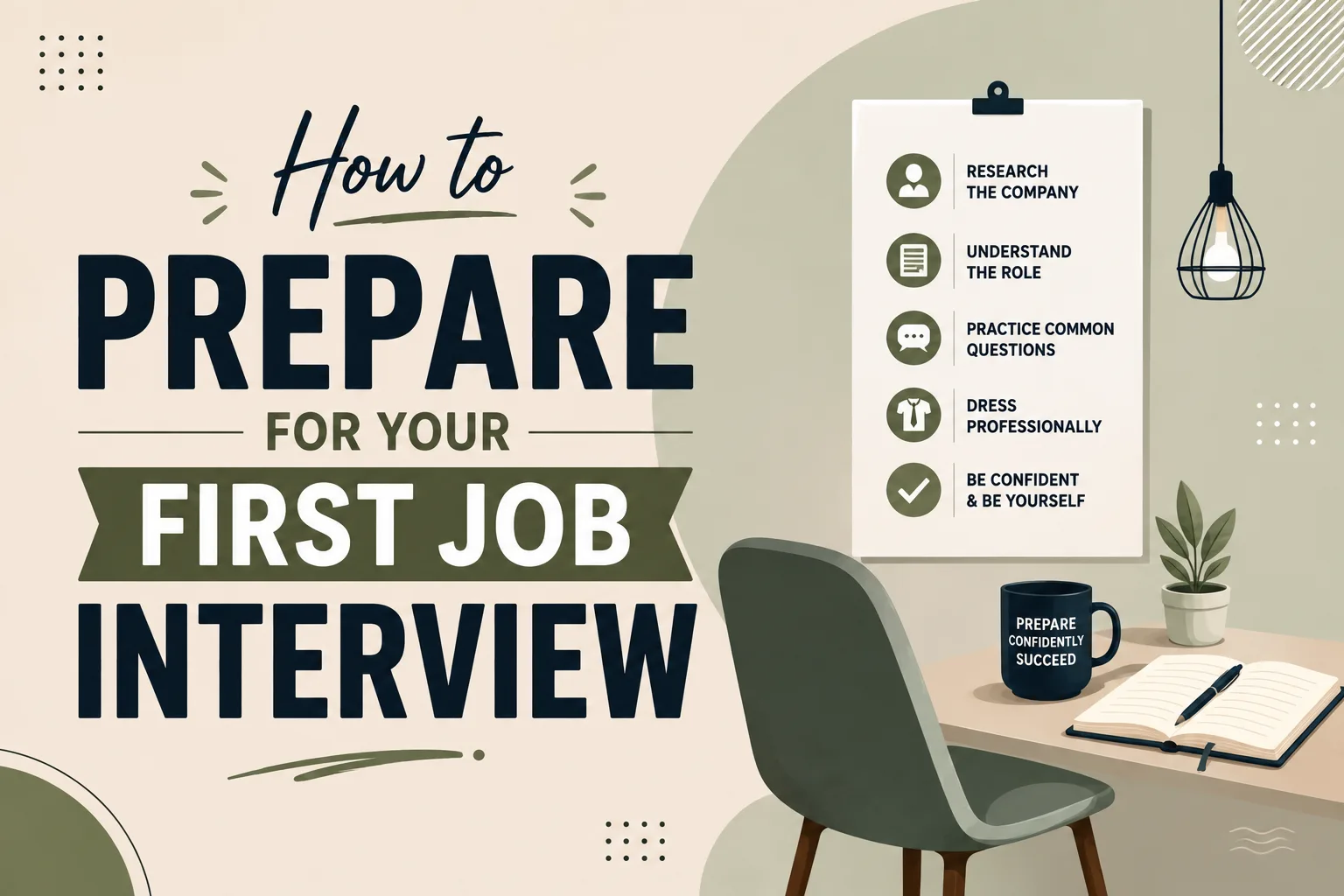
Preparing for placements doesn't have to begin in your final semester.
Students who start early usually feel more confident and perform better.
Some simple ways to prepare include:
- Completing internships
- Building practical projects
- Improving communication skills
- Earning relevant certifications
- Participating in college events
- Practising aptitude and interview questions
- Keeping up with industry trends
- Networking with professionals and alumni
Small, consistent efforts throughout college can make a significant difference by the time placement season arrives.
Final Thoughts
Recruiters today are looking for more than just academic excellence. They want graduates who can communicate effectively, solve problems, adapt to change, and contribute confidently in a professional environment.
A degree opens the door, but your skills, attitude, and practical experience often determine how far you go. By investing time in internships, projects, certifications, and personal development throughout college, you'll not only improve your chances of getting hired but also build a strong foundation for long-term career success.
Remember, employers don't expect you to know everything—they expect you to be ready to learn, grow, and take responsibility.